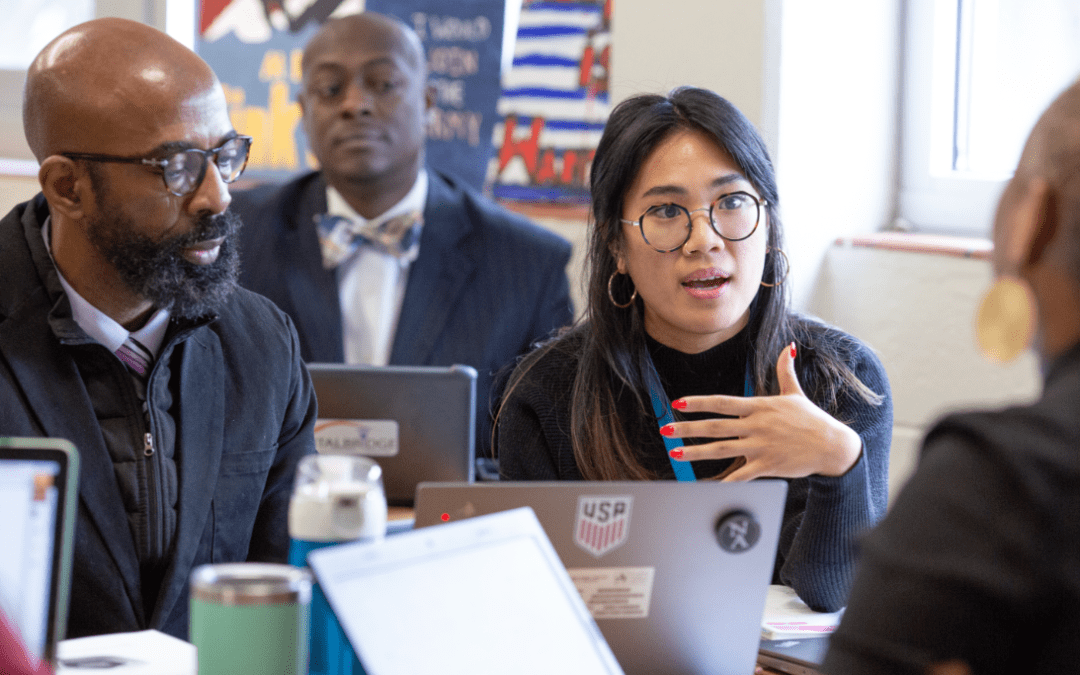
Career Coaching 1, February 25, 7:00-8:30 pm ET
The WOCEC hosted a session called Career Coaching I, designed for women in K–12 education who are ready to take the next step in their professional journeys. Whether you are exploring new roles, considering a transition, or simply want to strengthen your professional presence, this interactive workshop covered practical strategies for conducting an effective job search, crafting compelling résumés and cover letters, and building a clear, authentic personal brand. Grounded in the realities of the education sector and facilitated with an understanding of women’s career pathways, the session provided actionable tools, confidence-building insights, and space for reflection and connection with peers navigating similar career decisions.
From Time Magazine: Monique Couvson Wants Society to Better Understand Black Girls
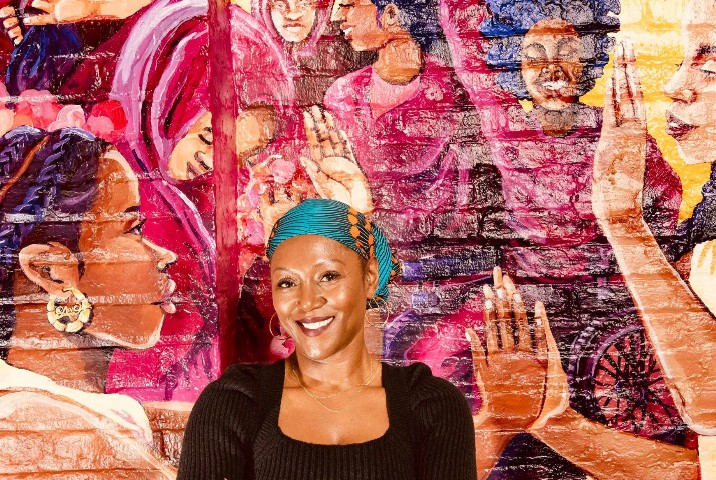
This Time Magazine profile of Monique Couvson highlights her leadership of Grantmakers for Girls of Color (G4GC), a philanthropic movement focused on directing sustained, trust-based funding to organizations led by and serving girls and gender-expansive youth of color. Building on decades of research and advocacy around racialized and gendered inequities in education and justice systems, Couvson has mobilized major foundations to commit hundreds of millions of dollars while also shifting philanthropic practice toward community-defined priorities and long-term capacity building. The article frames her work as both a response to structural underinvestment and a broader reimagining of philanthropy as a tool for equity and healing for marginalized youth.
From Forbes: Women Made Up Nearly All The Job Losses In December 2025. Here’s Why.

The U.S. Bureau of Labor Statistics reported that women accounted for nearly all net job losses in December 2025, reflecting how economic volatility has disproportionately affected sectors with high female employment, such as retail and hospitality. This article from Forbes explains that many women—especially women of color—are concentrated in lower-wage, less secure roles that are often first cut during downturns, while men’s employment in more stable or higher-paying sectors has been less affected. Structural factors including caregiving burdens, occupational segregation, and slower rehiring in female-dominated industries compound the impact, contributing to persistent gender and racial disparities in labor-market recovery.